When you are considering purchasing a new vehicle, one of the most important decisions you will encounter is choosing the type of powertrain. This choice not only influences your driving experience but also has implications for your finances and the environment. Given the swift advancements in the automotive sector, it is essential to comprehend the distinctions between hybrid, electric, and gasoline vehicles. Below is a detailed guide designed to assist you in making a well-informed decision.
-
1. Gasoline Vehicles: The Conventional Option
Overview: Gasoline vehicles operate using internal combustion engines that utilize gasoline as their fuel source. These engines ignite gasoline through combustion to generate power.
Advantages:
Ubiquity: Gas stations are widely available, facilitating quick and convenient refueling.
Cost: Generally, gasoline vehicles have a lower initial purchase price compared to electric and hybrid vehicles.
Maintenance: Mechanics possess extensive knowledge in servicing gasoline engines, which can sometimes result in reduced maintenance expenses.Disadvantages:
Environmental Impact: Gasoline engines release pollutants such as carbon dioxide, which contribute to air pollution and climate change.
Fuel Costs: Reliance on oil prices can lead to fluctuating and often high fuel expenses.
Efficiency: Internal combustion engines are not as efficient in converting fuel into energy when compared to electric motors.
-
2. Hybrid Vehicles: The Best of Both Worlds
Overview: Hybrid vehicles integrate a gasoline engine with one or more electric motors. They utilize regenerative braking to recharge their batteries, which means they do not require plugging in.
Advantages:
Fuel Efficiency: Hybrids offer superior mileage compared to gasoline-only vehicles by effectively utilizing both the engine and electric motors.
Reduced Emissions: By partially depending on electric power, hybrids produce less pollution than conventional cars.
No Range Anxiety: With the support of a gasoline engine, hybrids alleviate the range anxiety that is often associated with fully electric vehicles.Disadvantages:
Cost: Hybrids may be more costly than gasoline cars due to their intricate dual systems.
Maintenance Complexity: The dual system can occasionally result in higher maintenance expenses and more complex repairs.
Battery Replacement: The cost of replacing hybrid batteries can be significant once they reach the end of their operational life.
3. Electric Vehicles (EVs): The Future is Here
Overview: Electric vehicles operate solely on electric motors and necessitate external charging. They accumulate electricity in high-capacity batteries.
Advantages:
Zero Emissions: EVs generate no tailpipe emissions, rendering them the most eco-friendly choice.
Low Running Costs: The cost of electricity is lower than that of gasoline per mile, and electric motors have fewer moving components, which diminishes maintenance expenses.
Performance: Electric motors deliver immediate torque, resulting in smoother and faster acceleration.
Disadvantages:
Range Limitations: Despite advancements, certain EVs still encounter range limitations when compared to gasoline vehicles.
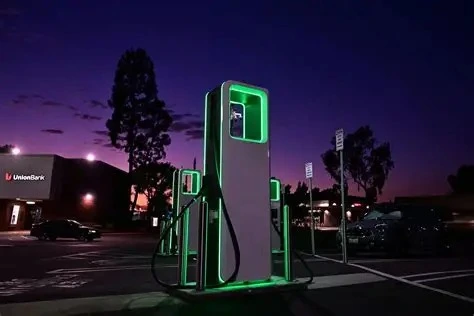
Charging Infrastructure: Although improving, charging stations are not as widespread as gas stations, and the charging process is more time-consuming than refueling.
Upfront Costs: EVs may have a higher initial price, although tax incentives and reduced running costs can mitigate this.
Conclusion
Selecting the appropriate powertrain is contingent upon your individual requirements, financial considerations, and environmental concerns. Gasoline vehicles provide convenience and lower initial costs. Hybrids strike a balance between efficiency and range, while electric vehicles present the greatest environmental advantages and reduced operating costs. Reflect on how you utilize your vehicle, your access to charging or refueling facilities, and overall ownership expenses. By comprehending these distinctions, you can choose the powertrain that best aligns with your lifestyle and principles.
Embrace the process of selecting a new vehicle with assurance, equipped with the knowledge to identify the optimal powertrain option for your requirements. Wishing you safe travels!
Kyree Brown
(901) 335-9448
Homer Skelton Ford